
How to Read Brainerd Like a Local: Three Clues Hidden in Plain Sight
Brainerd can feel compact and wide-open at the same time. On one block you are looking at everyday errands and familiar streets; a few minutes later you are on a trail, a county road, or a campus that belongs to a larger region than a single downtown. The easiest way to understand the area is not by chasing a postcard view. It is by noticing three things that quietly shape daily life here: the old rail corridor, the way transit is divided, and the campus footprint that reaches beyond one town line.
1) The trail is also a map of old transportation
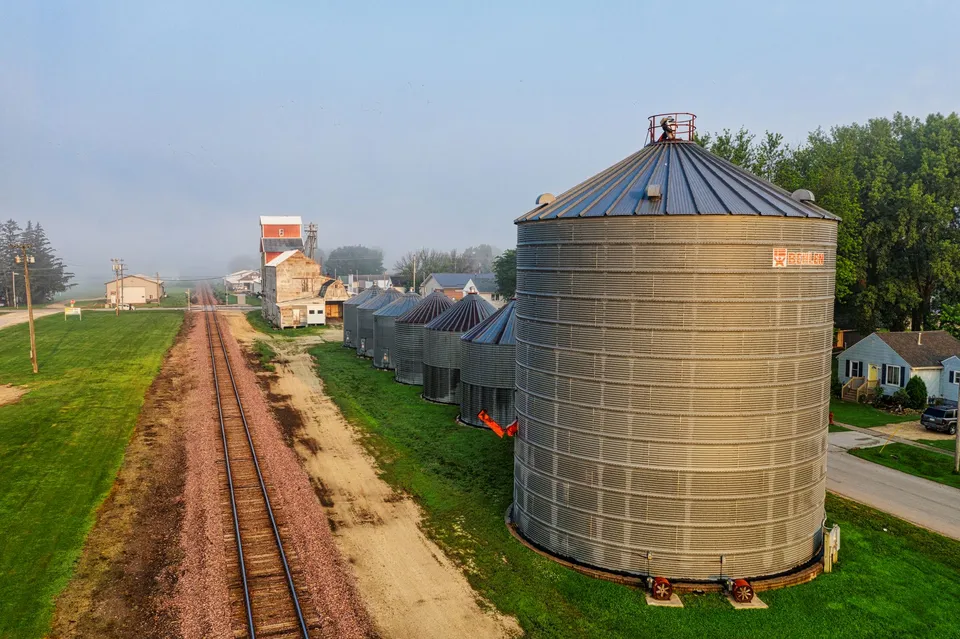
The Paul Bunyan State Trail does more than give people a place to walk or bike. The Minnesota DNR says it primarily follows a former Burlington Northern Railroad grade and stretches between Crow Wing State Park and Lake Bemidji State Park. That detail matters because it explains why the trail feels so purposeful: it was built on a route that already made geographic sense.
In the Brainerd and Baxter segment, the trail is not just an amenity. It is evidence of how the region has been repurposed. What used to move freight now moves people. What used to be railroad logic now becomes a practical route for recreation, commuting, and simple local wandering. The DNR also notes access and parking in Baxter and other communities, which is a reminder that trail use here often starts with a decision about where to enter, not just where to end up.
That makes the trail a useful local clue. If you are new here, it helps you see how Brainerd is stitched together. If you have lived here for years, it explains why some places feel naturally connected even when they are not close by road.
2) Transit shows where Brainerd and Baxter overlap — and where they do not
The second clue is easier to miss because it is practical rather than scenic. Brainerd & Crow Wing Public Transit publishes separate Brainerd/Baxter and county service information. That separation is not just a bureaucratic detail. It is a hint that the region works as a set of related pieces, not one uniform service area.
For a resident, that distinction affects errands, appointments, and timing. For a newcomer, it is a reminder not to assume every route, stop, or service pattern works the same way everywhere in the Lakes Area. For a visitor, it helps explain why the area can feel easy to navigate in one context and more complicated in another.
This is one of those local facts that saves time. Brainerd and Baxter are closely linked, but they are not interchangeable. Knowing which service area you are dealing with is part of learning the place the right way.
3) The college footprint says something about the region’s range
A third clue comes from Central Lakes College. The college has distinct Brainerd and Staples campuses, and its program listings span fields as different as accounting, arts, marine/powersports, and welding/fabrication.
That spread tells you something important about Brainerd and the surrounding area. This is not a community that fits a single stereotype. The college’s footprint reflects a region where people prepare for office work, hands-on trades, creative study, and technical careers, sometimes without leaving the local area. It also shows that the Brainerd Lakes Area is connected to a wider web of towns and commuting patterns, not just one central street grid.
For families, that means the local education landscape is broader than many people expect. For employers and workers, it suggests a talent pipeline shaped by more than one campus and more than one kind of training. For anyone trying to understand the region’s rhythm, it is another sign that Brainerd is part of a larger working geography.
What these clues add up to
Taken together, the trail, the transit split, and the college footprint give Brainerd a clearer outline. The area is not just a single town with a few extras around it. It is a place where old infrastructure still shapes movement, public services are organized by real local boundaries, and education reaches across more than one community.
That is useful whether you are visiting for the weekend or building a life here. Once you start looking for these clues, Brainerd becomes easier to read — and more interesting, too.