
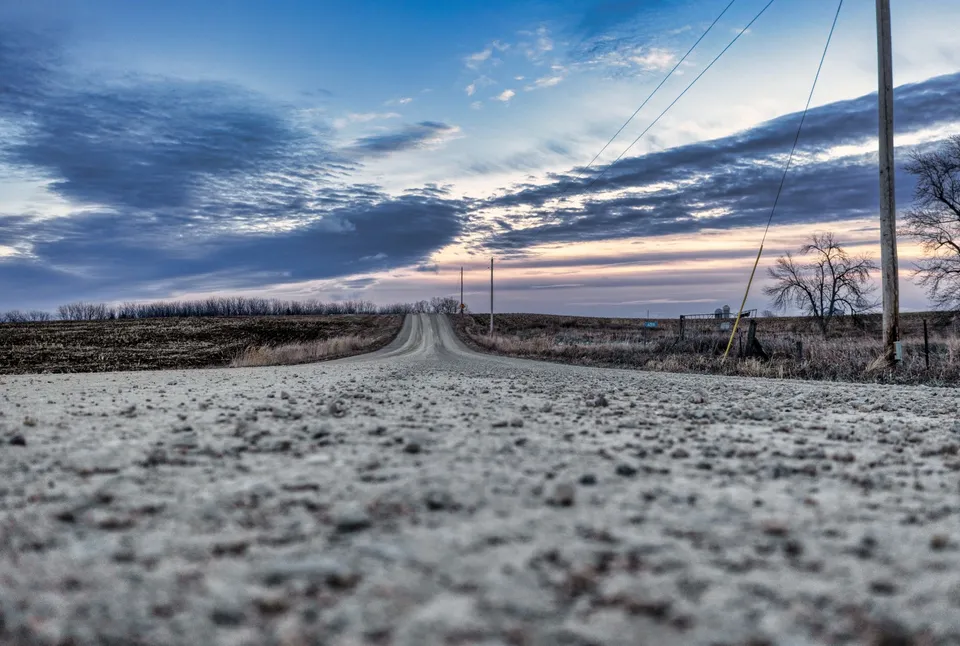
Brainerd has a way of reminding people that plans are useful, but flexibility is better.
A good day here rarely follows a perfectly straight line. The weather changes, the roads shift from busy to quiet, the lake breeze cools things down fast, and a simple errand can turn into a conversation, a detour, or a second stop you did not expect. That is part of what makes the Brainerd area feel lived-in rather than staged. It is a place where the best routine is one that can bend.
Start with the day you actually have
In a city like Brainerd, the first smart move is not trying to force a big agenda into a short window. It is choosing the right pace for the day in front of you. A weekday morning might call for a quick coffee, one practical stop, and a clear route home. A Saturday might leave room for a longer breakfast, a trail walk, and a few extra errands on the way back.
That sounds simple, but it matters. Brainerd rewards people who pay attention to timing. If the roads are better earlier, go earlier. If the afternoon is for family, get the errands done before lunch. If the wind feels sharp off the water, pick a stop that keeps you indoors for a while. Local life works better when you think in segments instead of one giant outing.
Let the season set the shape
One of the easiest mistakes for newcomers is assuming Brainerd runs the same way all year. It does not. Summer and winter can feel like different towns. In warm months, outdoor time spreads the whole day wider. People linger longer, drive less frantically, and make room for lakes, parks, patios, and evening events. In colder months, the focus tightens. Trips become more intentional. People cluster errands, limit extra miles, and appreciate anything that saves time between stops.
The trick is not to fight the season. If it is icy, plan for shorter hops and more margin. If it is bright and mild, take the longer way home. If the evening looks perfect, protect it by getting the practical stuff done early. Brainerd life gets easier when the season is not treated like an obstacle but as the organizing principle.
Keep a short list of reliable stops
Every town has places people trust, but Brainerd especially benefits from a personal short list. That list might include a dependable breakfast spot, a fuel stop that is easy to access, a grocery run that does not require backtracking, and one place where you know you can settle a few tasks at once.
A strong local routine does not need novelty every day. It needs predictability. When you know where you can park easily, where you can get in and out fast, and where a longer stop is worth the time, the whole day feels smoother. That is true whether you are commuting, running family errands, or trying to squeeze in one hour of fresh air between obligations.
Build in one outside moment
Brainerd is at its best when the day includes a small dose of the outdoors, even if that dose is brief. It does not have to be a full hike or a long afternoon on the water. It can be ten minutes on a trail, a quick overlook, a walk around a parking lot after lunch, or a slow drive with the windows down when the weather cooperates.
That one outdoor pause does a lot. It resets your pace, gives the day some breathing room, and reminds you why the area feels different from a place where everything happens indoors. In Brainerd, the landscape is not decoration. It is part of the schedule.
Leave room for the human part
The most Brainerd thing about a day here is often what is not on the calendar. You stop to talk. You run into someone you know. You hear about a sale, a ballgame, a trail condition, or a neighbor who needs a hand. The town runs on practical habits, but it also runs on these small human interruptions.
That is worth protecting. If your whole day is packed too tightly, you miss the part that makes the place feel local. A little empty space is not wasted time. It is what lets the day belong to Brainerd instead of to a spreadsheet.
A simple Brainerd formula
If you want a day here to feel good, keep the formula simple:
- Do the hardest errand first.
- Match the plan to the weather.
- Group your stops.
- Get outside at least once.
- Leave one opening for a conversation or detour.
That approach works in all seasons and for most kinds of days. It respects the realities of distance, weather, and time without turning the day into a chore.
Brainerd does not ask people to move faster. It asks them to move with a little more awareness. The reward is a day that feels less crowded, less rushed, and more in step with the place itself. And around here, that is usually the difference between just getting through the day and actually living it.