
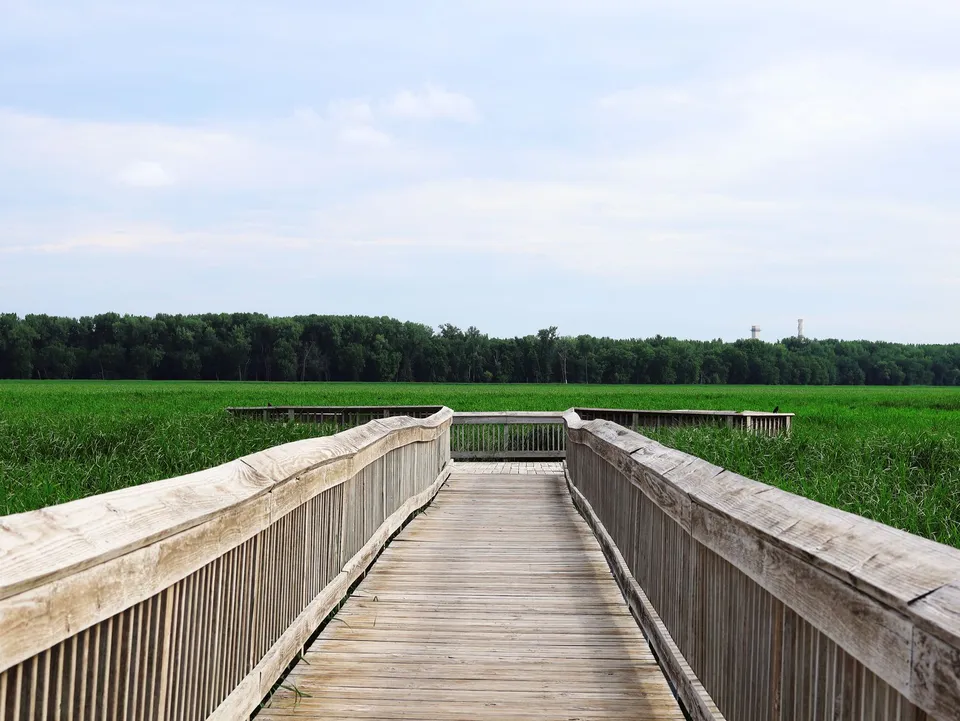
From Landfill to Woodland: Why Northland Arboretum Still Feels Like a Brainerd Discovery
Brainerd has no shortage of places where the landscape tells a story, but Northland Arboretum may be the most surprising one of all. It is a nonprofit nature preserve in Brainerd and Baxter that was founded in 1972 on the former Brainerd landfill site, and it now describes itself with forests, wetlands, gardens, and walking and hiking trails. That is not just a neat origin story; it is a reminder that local land can be remade in ways people actually use every day.
A place that makes change visible
Northland Arboretum works because it does not hide its past. A landfill is the kind of place most communities try to forget. A nature preserve is the kind of place people return to on purpose. Put those two ideas together, and you get something quietly powerful: a landscape that shows how Brainerd and Baxter have changed, and how they choose to value land now.
That matters in a city and region where so much of life happens in motion — between errands, school, work, and the next lake. The arboretum gives residents a place to slow down without leaving town, and that makes it more than scenery. It becomes a short walk before supper, a place to bring someone who is new here, or a low-pressure way to get outside when the day feels crowded. Because it sits in both Brainerd and Baxter, it also feels like a shared space rather than a destination reserved for one neighborhood or one side of town.
The mix of forests, wetlands, gardens, and trails adds to that feeling. The arboretum is not one simple habitat or one manicured lawn. It is a layered place, which is exactly why it rewards repeat visits. A trail that feels ordinary in one season can feel completely different in another, and that changing experience is part of the appeal. You are not just passing through trees; you are seeing how a restored landscape holds on to memory while offering something new.
Why Brainerd’s landscape story is bigger than one trail
Northland Arboretum also fits into a broader local pattern: Brainerd and the surrounding Lakes Area often reuse old corridors in practical ways. The Paul Bunyan State Trail primarily follows a former Burlington Northern Railroad grade, and the Minnesota DNR notes access and parking in Baxter along with other communities. That is a different kind of transformation, but it points in the same direction. In this part of Minnesota, old infrastructure does not always disappear. Sometimes it becomes the backbone of a new public experience.
Seen that way, the arboretum is not an isolated green space. It is part of a regional habit of turning yesterday’s utility into today’s value. A railroad grade becomes a trail. A landfill becomes a preserve. Land that once served a narrow purpose becomes a place for recreation, education, and quiet use by the public.
That kind of reuse says something important about the Brainerd area. It suggests a community that is willing to invest in the long view, not just the immediate one. The result is not dramatic in the way a new development or a new highway interchange is dramatic. It is more subtle. But for the people who live here, subtle changes are often the ones that shape daily life most.
What to notice when you go
If you visit Northland Arboretum, the most interesting thing may not be any single feature. It is the fact that the preserve asks you to notice layers: natural and human, old and new, practical and restorative. The same land that once handled a city need now supports a different kind of public use. That shift gives the place its character.
It also makes the arboretum useful as a way to read Brainerd itself. This is a city and region that has never been only one thing. It has room for movement and stillness, for built systems and recovering land, for everyday errands and unexpected discoveries. Northland Arboretum captures that balance better than most places do.
So if you want a local outing that offers more than a walk, start there. The preserve is not just a spot on the map; it is a visible example of how Brainerd can remake an ordinary problem into an everyday asset. That may be the most Brainerd thing about it.
For more on the preserve’s mission and setting, visit Northland Arboretum.