
Brainerd’s Most Surprising Comeback Story: A Nature Preserve Built on the Old Landfill
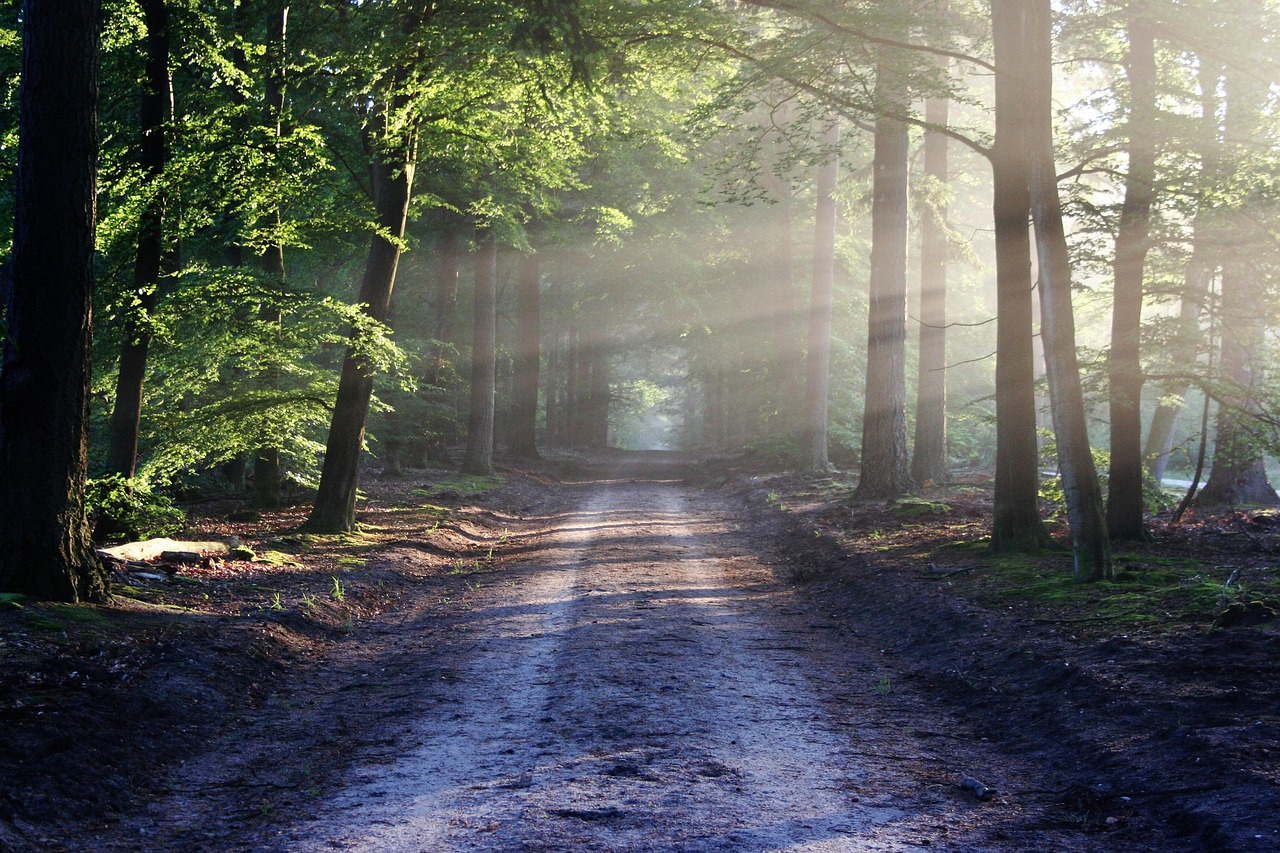
If you’ve ever driven through Brainerd and Baxter and thought, “Where can I take a quiet walk that actually means something?”, there’s a local answer with an unlikely origin: the Northland Arboretum. It describes itself as a nonprofit nature preserve in Brainerd and Baxter—founded in 1972 on the former Brainerd landfill site—with forests, wetlands, gardens, and walking/hiking trails.
That one detail changes the whole experience. You’re not just strolling “somewhere green.” You’re seeing how a community can reclaim a used landscape and turn it into a place people return to on purpose.
A preserve that doubles as local memory
Brainerd’s identity is tied to big systems—transportation corridors, working land, and water. The city sits on the Mississippi River, a geographic fact that shapes how people move around town, where parks exist, and how the area thinks about shorelines and public access.
The arboretum fits into that same story of “what the land used to be” versus “what it’s for now.” A former landfill becoming a nature preserve is a tangible reminder that land use isn’t static here; it changes with community priorities.
If you’re new to the Brainerd Lakes Area, this is also a helpful lens: Brainerd and Baxter function as a twin-center hub for services and daily errands for the surrounding lake communities. A reclaimed preserve right in that hub is a pretty Brainerd/Baxter kind of feature—practical, accessible, and quietly ambitious.
What to notice when you visit (without needing a checklist)
Because Northland Arboretum describes a mix of forests, wetlands, gardens, and trails, you can use your walk as a mini field guide to the area’s landscapes—without driving out to a distant lake or state park.
A few simple “noticing prompts” make the visit more interesting:
- Transitions between habitats. Watch how the feel of the path changes as you move from wooded areas toward wetter ground. In a lakes-and-river region, those transitions are part of everyday ecology.
- Edges and recovery. A reclaimed site often has visible “edges”—places where plants, soil, and drainage behave differently. You don’t need to be an expert to see that land holds its history.
- Gardens versus wild zones. When a place includes both, it’s a clue that the mission is bigger than recreation. It’s also about learning and stewardship.
Northland Arboretum is commonly used as an anchor for community nature access and education—just remember that program details and seasonal offerings can change, so it’s best to confirm anything time-specific directly with the arboretum.
Pair it with another “reused landscape” nearby: the Paul Bunyan State Trail
Once you start noticing reclaimed places, you’ll see them elsewhere.
The Minnesota DNR describes the Paul Bunyan State Trail as primarily following a former Burlington Northern Railroad grade, running between Crow Wing State Park and Lake Bemidji State Park—and it notes access/parking in Baxter and other communities. That matters because it’s not “just a trail,” it’s a transportation corridor with a second life.
If you’re planning a day that feels distinctly local, consider building it around that theme:
- One walk in a reclaimed landfill turned preserve (Northland Arboretum)
- Another on a former railroad grade turned regional trail (Paul Bunyan State Trail)
It’s a surprisingly coherent way to understand Brainerd: the land has worked, carried people, been used hard—and then been rebuilt for public life.
A practical note for car-light planning
If you’re trying to explore without assuming you’ll drive everywhere, don’t guess at transit coverage across the Lakes Area.
Brainerd & Crow Wing Public Transit publishes separate Brainerd/Baxter and county service information, which is an important distinction when you’re planning a route. (In this region, “nearby” can cross jurisdiction lines fast.)
Why this place earns a spot in your mental map of Brainerd
The Northland Arboretum isn’t just “something to do.” It’s a local proof point: a community can take an unglamorous piece of infrastructure history and turn it into a daily-use asset—right where residents actually run errands, meet friends, and build routines.
If you haven’t been, start with a simple goal: go for a walk and look for one sign that the landscape has changed over time. Then let that question follow you to the riverfront, to a trail built on old rail lines, and into the rest of the Brainerd Lakes Area.